The challenge of scaling communication with locked knowledge
When a communications director or PR manager tries to draft urgent messaging or respond to a press inquiry, they hit a wall: the company’s true expertise is buried in thousands of PDFs, old strategy decks, and Slack threads. You know the answer exists, but finding the exact source takes longer than writing the copy itself. This lag doesn't just slow you down; it creates a fragmented brand voice and forces you to constantly interrupt subject matter experts for basic facts.
The daily cost of internal information gaps
In high-stakes communications, a 2-hour delay in verifying a fact is the difference between leading the narrative and being defensive. When teams can't surface proprietary insights instantly, they default to safe, generic content that disappears in the noise. This "knowledge tax" results in expert fatigue, where your technical leads are constantly answering the same three questions because the documentation is too difficult for the marketing team to navigate manually. It prevents you from achieving both volume and quality in your content strategy.
Why the tools they've tried fall short
Most communications teams reach for stop-gap solutions that inevitably fail as the document library grows:
- Internal wikis and keyword search: These systems only work if you know the exact file name or phrase. They can't understand the intent of your question, leading to irrelevant results when you're under pressure.
- Generic AI (ChatGPT): Using out-of-the-box models is dangerous for PR. These models hallucinate details when they don't know the specifics of your company's proprietary history or product changelog, creating a massive liability for public-facing statements.
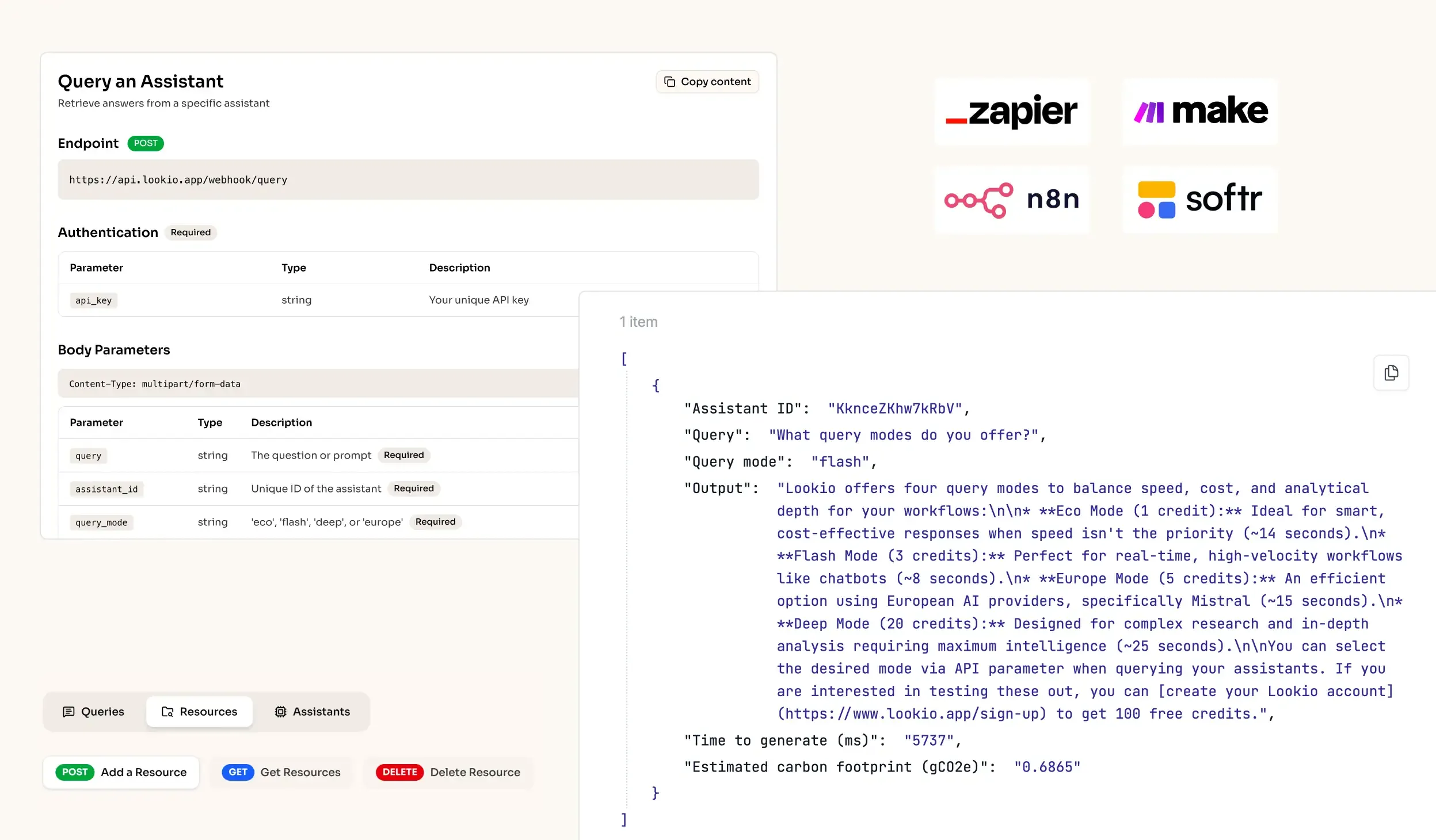
- No-API tools like NotebookLM: While great for organizing one person's notes, tools like NotebookLM lack a business API. You can't connect your knowledge to your social media scheduler, your agency portal, or your internal comms bot. It remains a silo, much like the PDFs it was meant to replace.
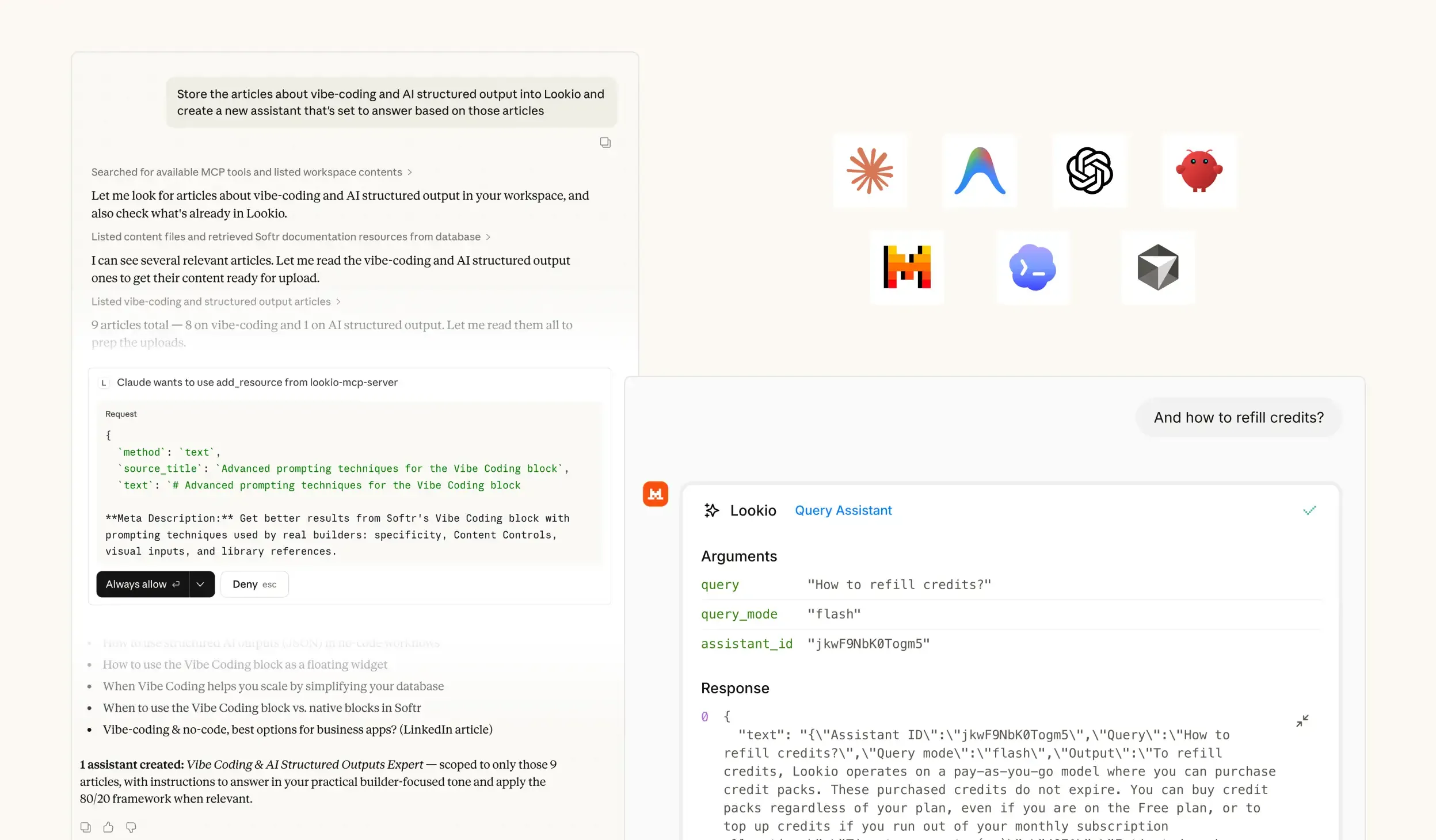
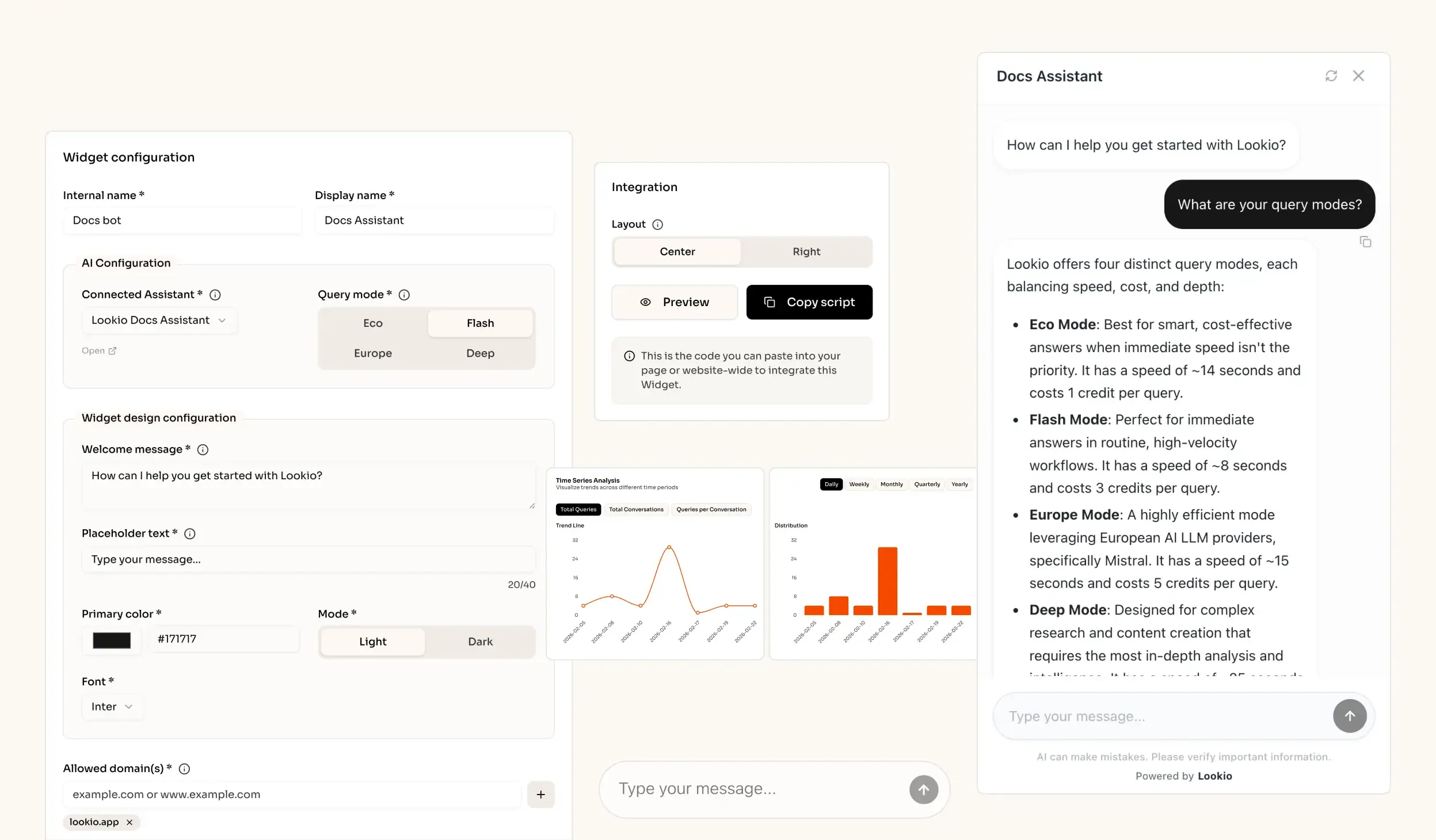
What's missing is a programmatic bridge between your vast data archives and your daily creative output.