The challenge of managing knowledge in the energy sector
When an operational engineer or regulatory officer in an energy company tries to find a specific technical protocol or safety guideline, they hit a wall of fragmented documentation. In the energy industry, critical information is often buried across thousands of pages of equipment manuals, safety standards, and compliance logs. Searching for a single parameter can take 20 minutes of manual scrolling, leading to dangerous delays in high-stakes environments.
The daily cost of expert interruptions
In this field, the cost of uncertainty is measured in SLA penalties and safety risks. When junior staff cannot find answers in the internal wiki, they interrupt senior experts, creating a bottleneck that halts strategic progress. This reliance on a few key individuals' memories is a major business risk, especially as companies face increasing regulatory scrutiny and the need for rapid digital transformation. Without a way to instantly resurface proprietary knowledge, the gap between having the data and actually using it continues to widen.
Why the tools they've tried fall short
Most energy firms have already attempted to solve this with standard internal tools, only to hit these dead ends:
- Internal wikis and keyword search: These tools rely on exact word matching. If you search for "grid stability protocols" but your document uses the term "load balancing procedures," you get zero results. Under pressure, these systems fail to provide the literal answers needed.
- Generic AI models: Tools like ChatGPT are great for general tasks but are a significant risk here. They hallucinate on specialized domain content, providing confident but incorrect technical advice. Furthermore, uploading sensitive grid data to public models poses a non-negotiable security threat.
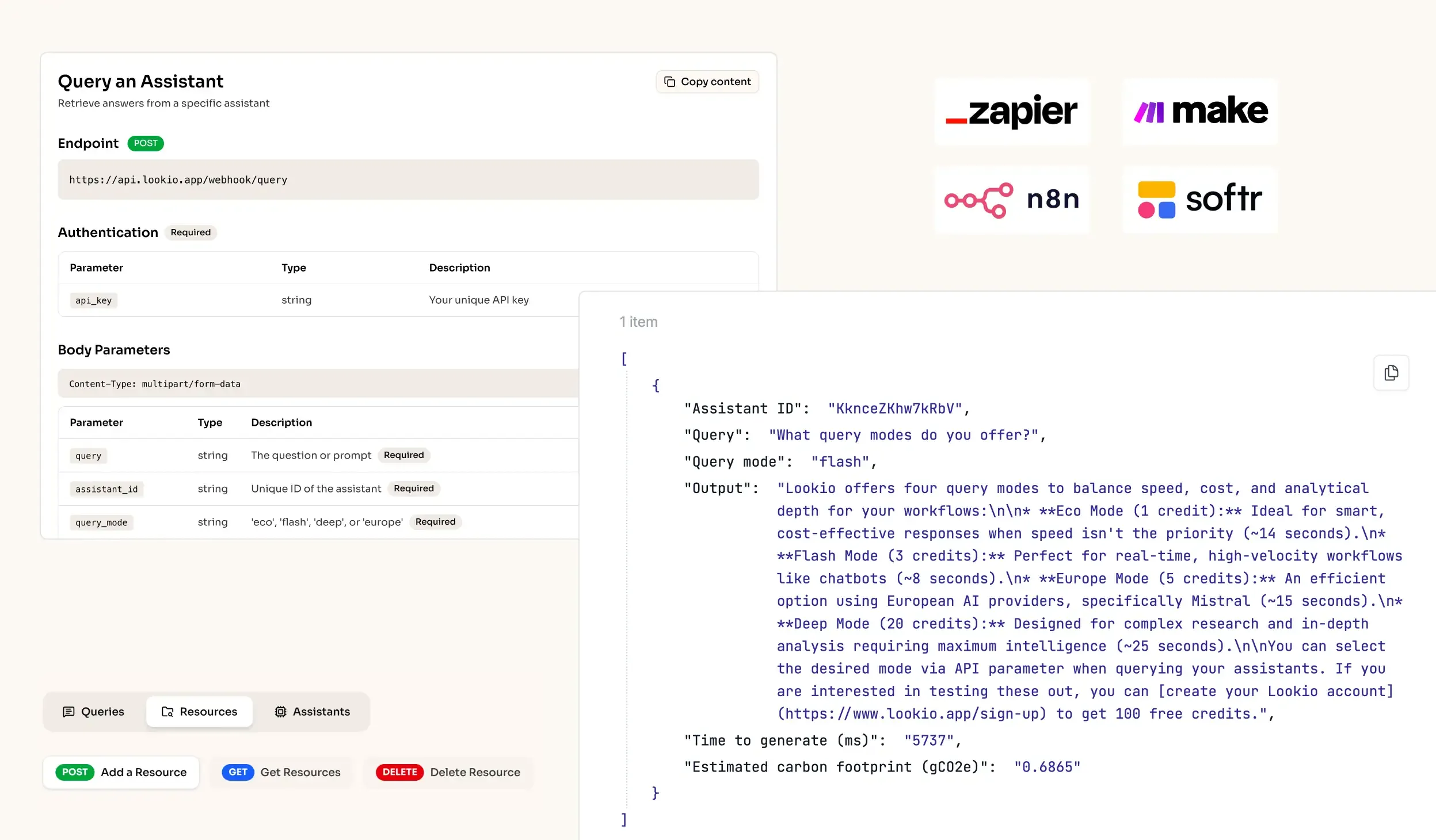
- No-API tools: Solutions like Google's NotebookLM offer smart retrieval for individuals but lack the programmatic access required for business. You cannot connect them to your existing ticketing systems, field applications, or automated reporting chains.
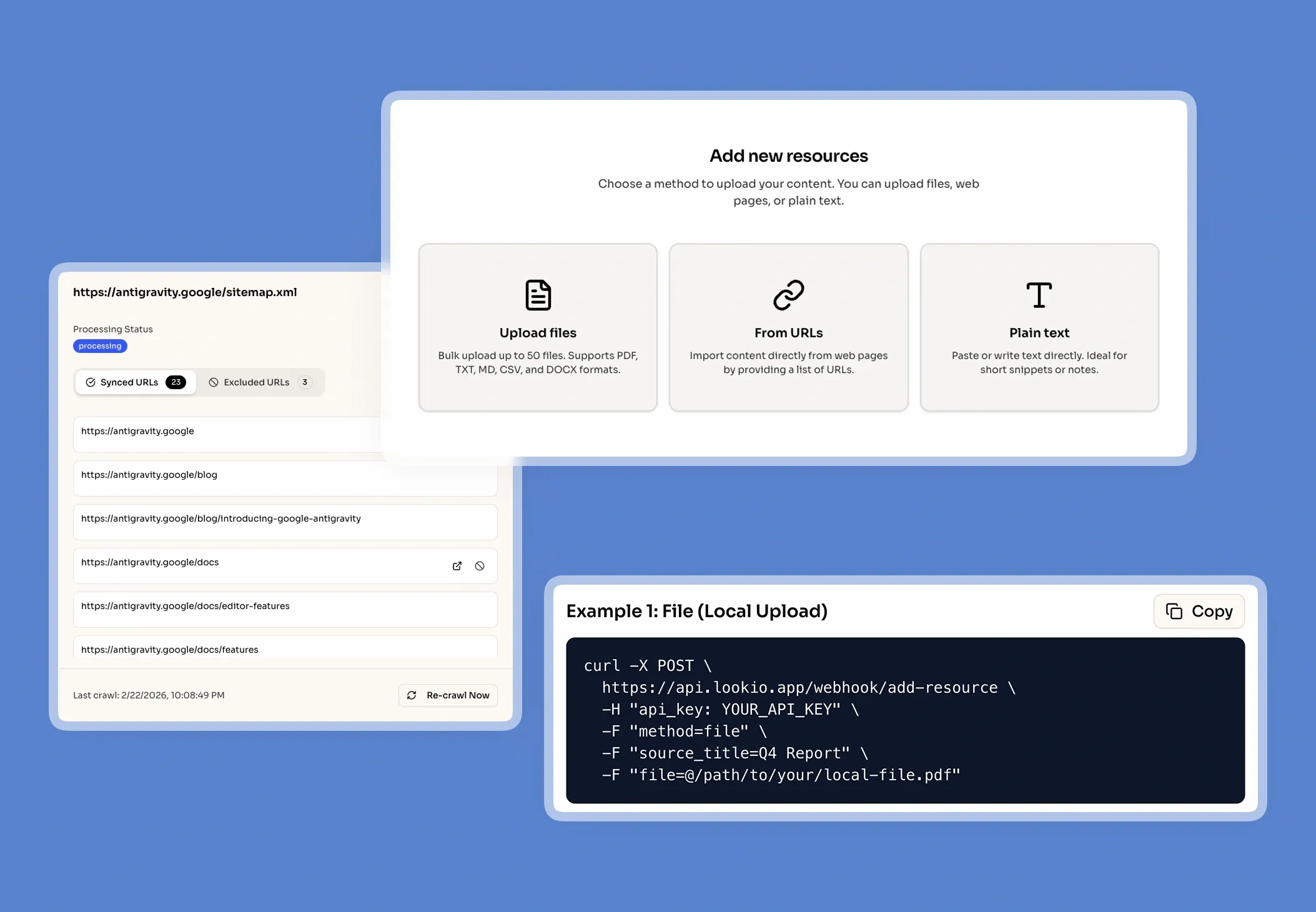
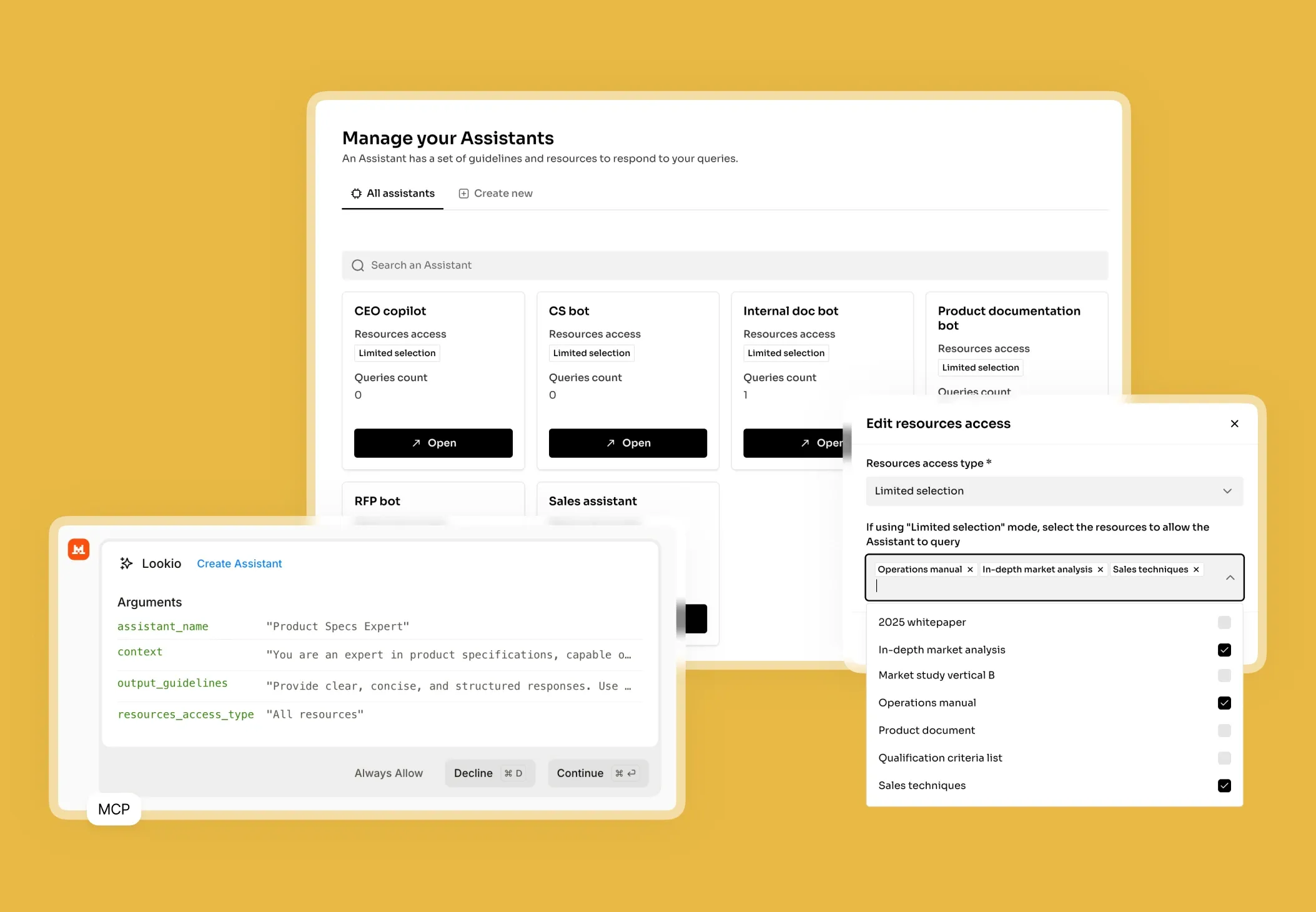
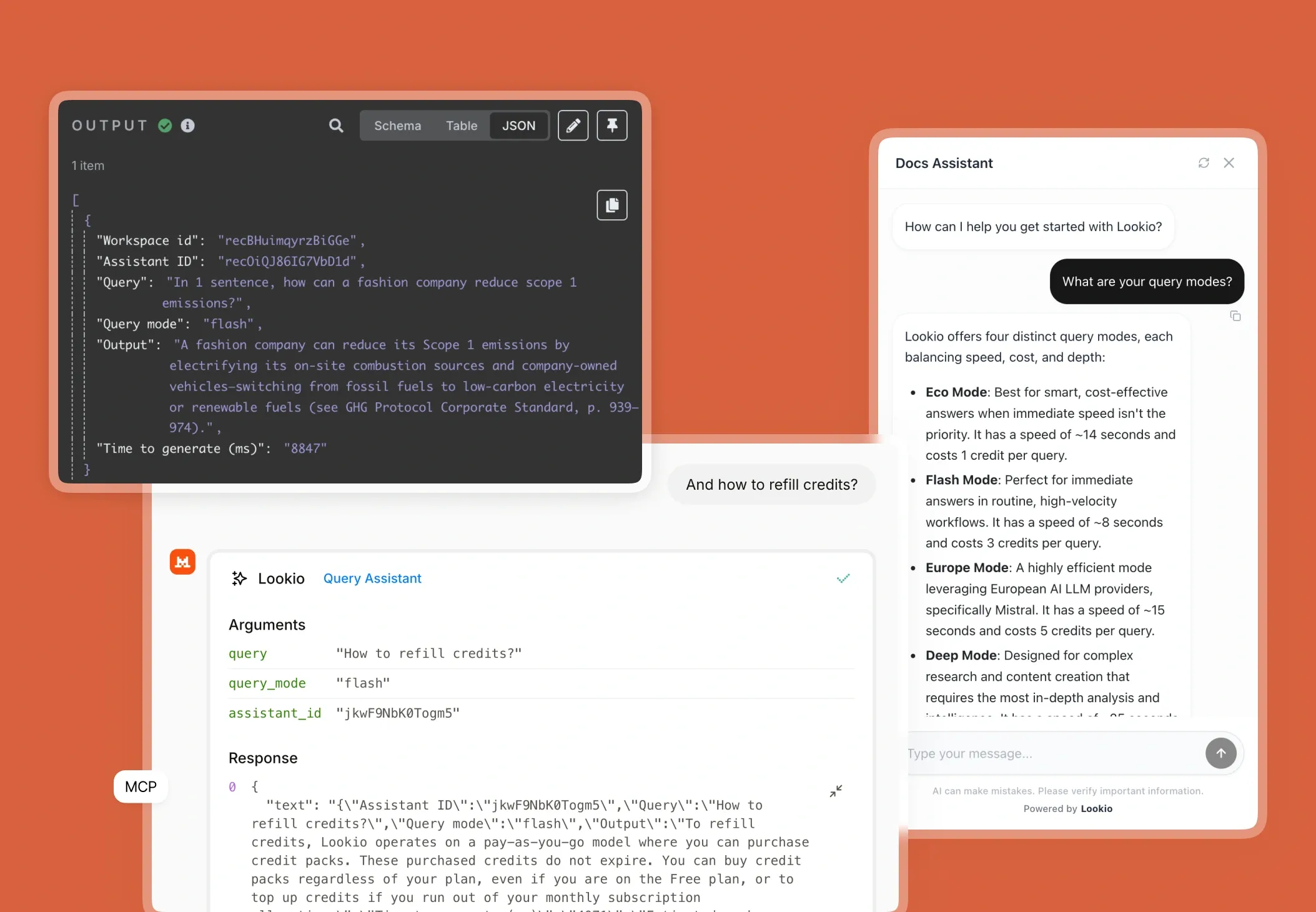
What's missing is a secure, API-first bridge that connects your heavy technical documentation directly to your operational workflows.