The challenge of IT service delivery scaling
When an IT Service Provider tries to scale, they hit a fundamental paradox: as the client list grows, the technical debt and documentation sprawl grow faster. Tier 1 support agents often find themselves stuck because they cannot find the specific fix for a legacy server configuration or a niche software patch buried in a 50-page PDF.
The daily cost of document fragmentation
Every minute a technician spends manually searching through a SharePoint folder or an outdated wiki is a minute lost on billable projects. This friction creates a massive SLA risk, where response times slip because the "how-to" is locked in the mind of a single senior engineer. When that engineer is interrupted four times a day to answer basic setup questions, your most expensive resource becomes a human search engine. This isn't just inefficient; it leads to quality gaps and inconsistent client advice that erodes trust.
Why the tools they've tried fall short
Most MSPs and IT shops have already tried to fix this, yet they remain stuck with:
- Internal wikis and keyword search: These systems rely on exact matches. If a tech searches for "network lag" but the document says "latency issues," they find nothing. They don't scale with the volume and quality required for modern IT environments.
- Generic AI (ChatGPT): Using public LLMs on sensitive client data is a security risk. Beyond privacy, generic models constantly hallucinate technical steps when they aren't grounded in your specific documentation. They might suggest a command that doesn't exist on the specific OS version your client uses.
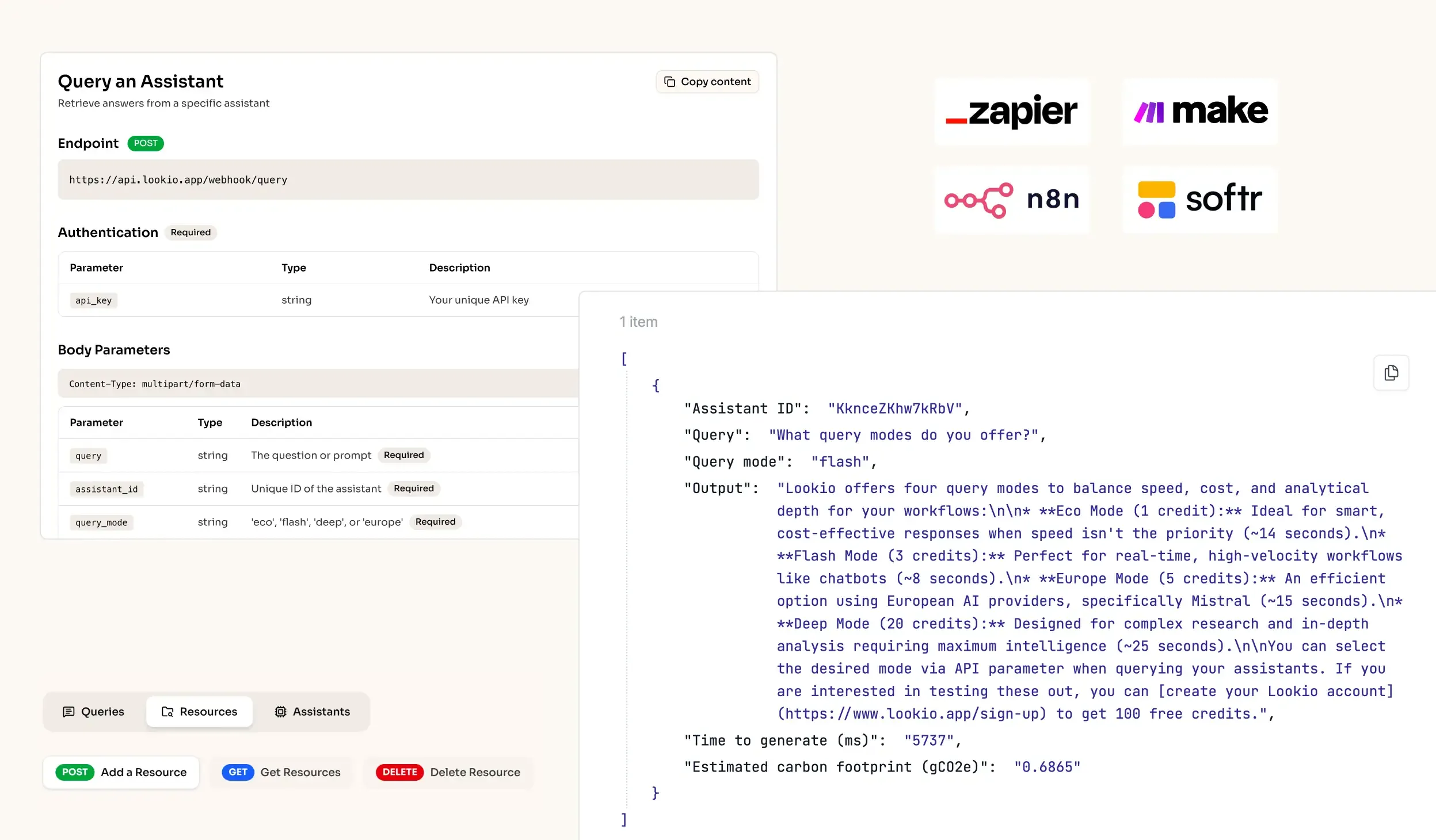
- No-API tools like NotebookLM: While Google's research tool is impressive, it is a dead end for teams because Google NotebookLM lacks an API. You cannot connect it to your RMM, your Slack, or your helpdesk. It remains a tab in a browser, not a part of your technical workflow.
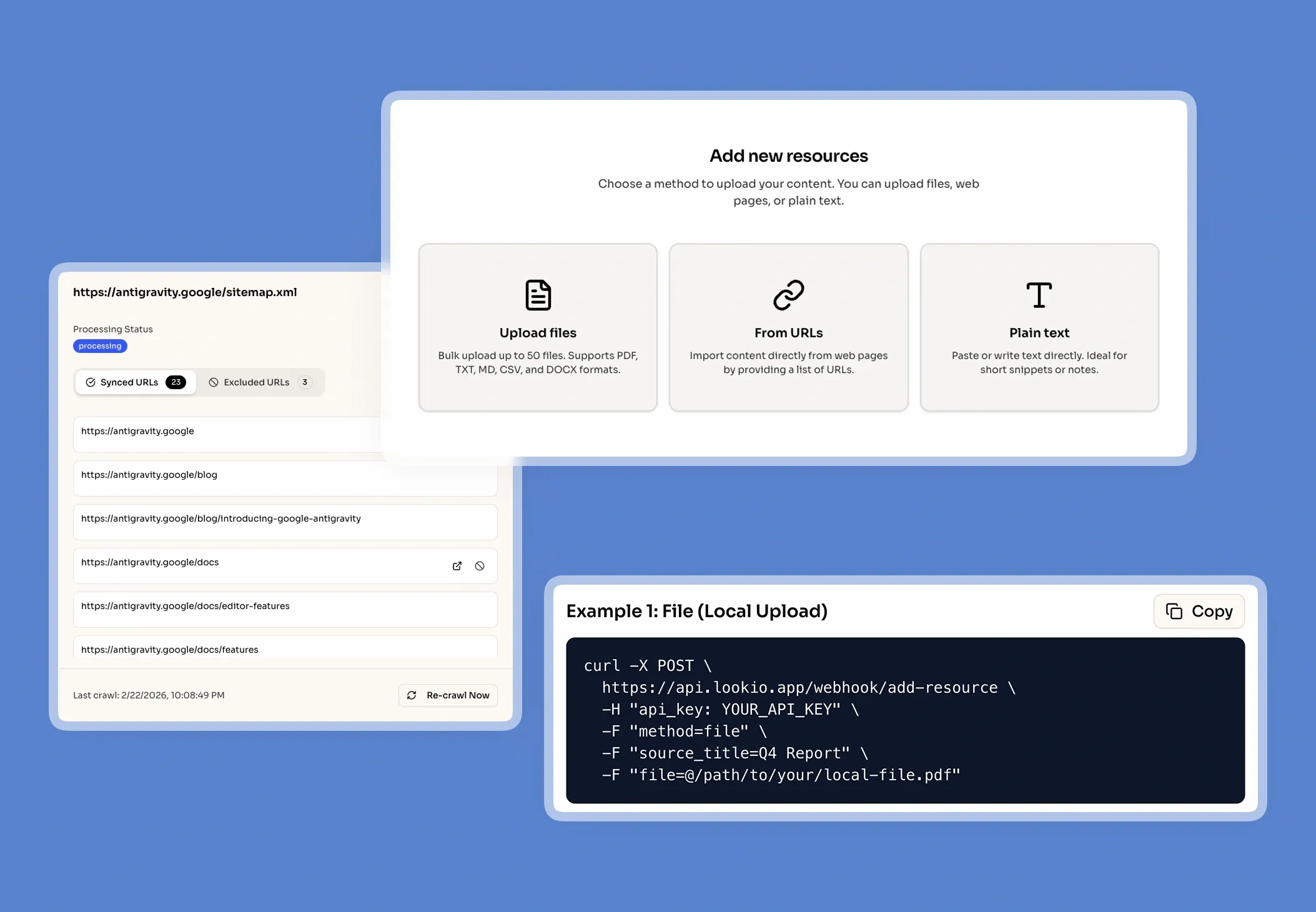
What's missing is a way to turn those hundreds of PDFs and SOPs into a company brain that your team can query programmatically.