The challenge of real estate knowledge management
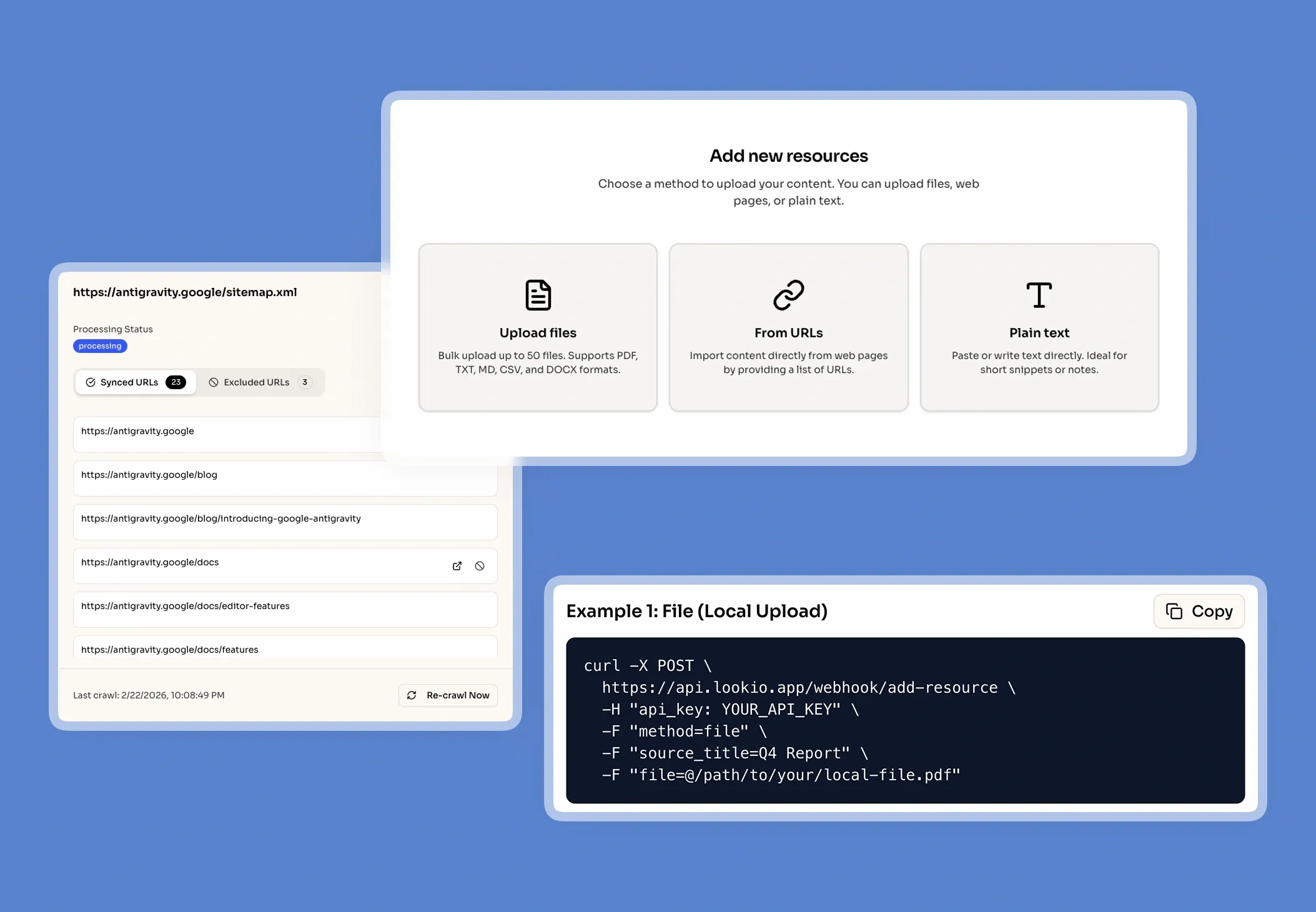
When a real estate agent tries to provide accurate information about a listing or a complex legal contract, they hit a fragmented data wall. Property details are buried in PDFs, rental agreements live in Docx files, and building regulations are hidden across various government URLs. The daily cost of this fragmentation is measured in lost commissions and expert fatigue.
The high cost of manual retrieval
In real estate, speed is the only currency that matters. When a high-intent buyer asks about specific zoning laws or the remaining lease term on a commercial property, they expect an answer in seconds, not hours. If your team has to manually search through a shared drive or a messy internal wiki, the SLA risk increases. More importantly, top-performing agents are constantly interrupted by junior staff asking questions that are already answered in the company documentation. This cycle of expert interruption prevents your senior team from closing new deals.
Why the tools you've tried fall short
Most agencies have attempted to solve this with standard search tools, but these fail because they rely on simple keyword matching. If a buyer ask for "pet-friendly units with low fees," a basic search might miss relevant properties that use synonyms.
- Generic AI (ChatGPT): You might have tried pasting property descriptions into ChatGPT. This creates a massive security risk for sensitive client data and leads to frequent hallucinations. Generic models often make up square footage or amenity details when they aren't explicitly clear, which is a significant legal liability in real estate.
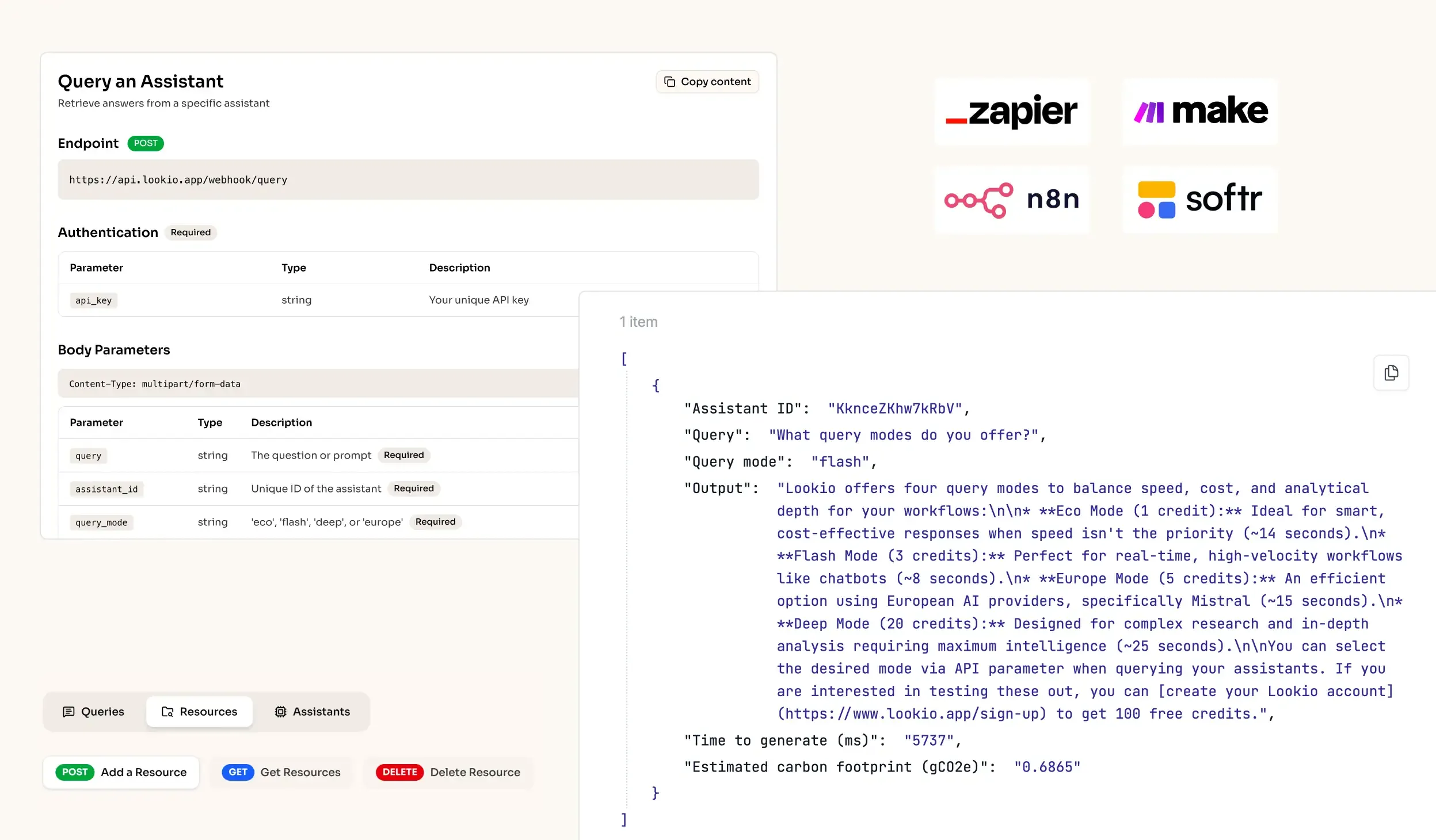
- No-API tools (NotebookLM): While NotebookLM is an excellent tool for personal research, it lacks the technical infrastructure for a professional agency. You cannot connect it to your website or automate it within your CRM.
- Custom GPTs: These are fine for individuals but fail for business workflows because they require every user to have a paid subscription and offer zero programmatic access.
What is missing is a way to bridge the gap between your static property documents and the high-velocity world of real estate sales.