The challenge of agricultural knowledge management
When a farm manager or agronomist tries to verify a specific chemical application rate or hunt down a niche regulatory compliance standard, they hit a wall of fragmented documentation. In modern agriculture, critical data is rarely in one place; it is buried in massive technical PDFs, equipment manuals, soil test history, and ever-changing government environmental guidelines. This creates a persistent bottleneck where field staff must halt operations to call the main office for answers that are technically "documented" but practically unreachable.
The daily cost of expert interruptions
In high-stakes farming, timing is everything. When a field technician encounters a problem, they currently have two choices: spend hours digging through static internal wikis or interrupt a senior agronomist with a phone call. These interruptions create a bottleneck of expertise, where your most expensive human resources spend their day answering the same repetitive technical questions rather than performing high-value research. This operational friction doesn't just waste time; it increases SLA risk for service providers and leads to inconsistent decision-making across different farm locations.
Why the tools they've tried fall short
Most agricultural firms have already experimented with modern tools, only to find they aren't built for the complexities of the industry:
- Manual Search & Keywords: Basic documentation tools rely on exact matches. If a user searches for "maize blight" but the document uses the scientific name, the system fails. These tools don't understand the context of the query.
- Generic AI (ChatGPT): Large language models are notoriously bad at agriculture. They frequently hallucinate technical dosages or suggest chemicals that are banned in specific regions. Using them for customer-facing support is a liability risk your business cannot afford.
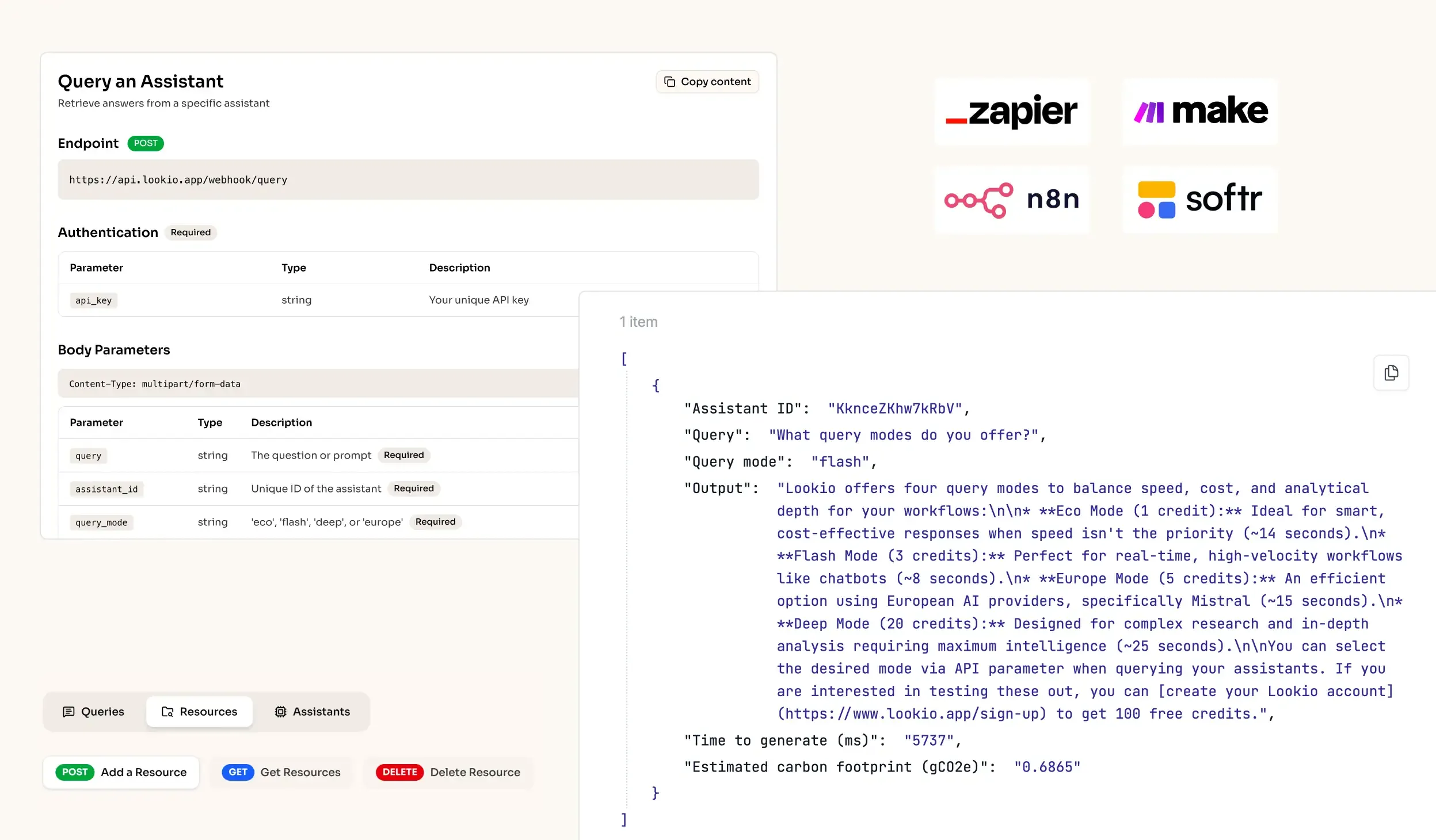
- No-API Tools (NotebookLM): While Google’s tool is great for analyzing a single soil report, it is essentially a walled garden. Without an API, you cannot connect your knowledge to the n8n workflows or mobile apps your team actually uses in the field.
What's missing is a programmatic bridge between your specialized documents and your team's daily tools.